



MAXIS FIBRE REBAR
Glass Fibre Rebar
History
Since ancient times, humans have understood the concept that a composite material is stronger than its individual components. For instance, combining clay with straw proved stronger than clay alone, with straw acting as fibrous reinforcement and clay as the matrix. The use of glass fiber reinforced polyester composites began in the 1940s in the aircraft industry. It later expanded to non-military applications, notably transforming boat construction in the marine sector.
Product Information
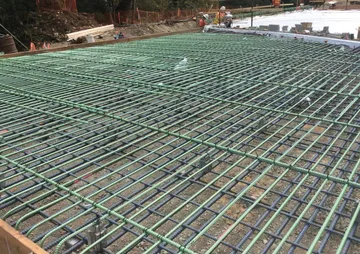
Glass Fiber Reinforced Polymers (GFRP) represent a proven and highly effective alternative to traditional reinforcement methods, offering numerous advantages that enhance the longevity of structures. GFRP rebar is a ribbed reinforcing bar made from high-strength, corrosion-resistant glass fibers, bound together by an exceptionally durable polymeric epoxy resin.
GFRP is inherently resistant to chemical acids and alkaline bases, eliminating the need for additional concrete cover, anti-shrink additives, or cathodic protection. This property significantly extends the lifespan of engineering structures, particularly in environments prone to corrosion.
Why Glass Fibre Reinforced Polymers (GFRP) Rebar and not Steel?
Lightweight: GFRP is four times lighter than steel, reducing logistical costs and minimizing structural weight, which can affect the natural frequency of concrete structures.
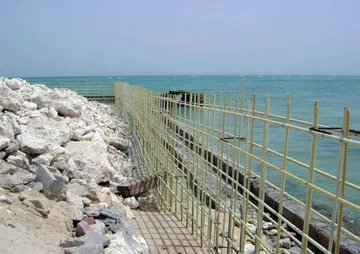
Corrosion Resistance: Unlike steel, GFRP is completely resistant to corrosion from alkalis and acidic environments, including aggressive agents like carbonic gas and chloride ions that cause premature deterioration.
Thermal and Electrical Isolation: GFRP provides insulation against thermal and electrical conductivity, unlike steel rebar which conducts heat and electricity.
Flexibility: GFRP offers a more moderate stiffness compared to steel, allowing structures to be less rigid.
Low Maintenance: GFRP requires zero maintenance over 100 years, contrasting with the ongoing maintenance needs of steel rebar.
Handling and Placement
Deliver, store, and handle GFRP bars in accordance with manufacture’s instruction to prevent damage.
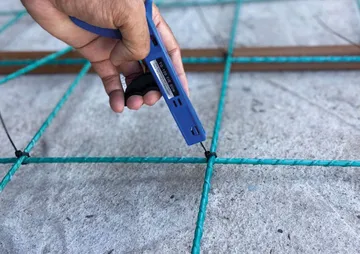
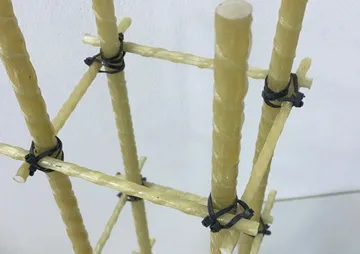
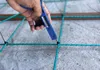
Plastic coated tie wire is preferred option for most projects.
Do not store GFRP bars directly on ground. Place timber pallets under bars to keep them free from dirt and mud to provide easy handling
Store GFRP bars under covers to avoid direct sunlight and chemical substances.
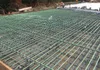
Care should be exercised to adequately secure FRP in the formwork.

Click the button below to download.